Organizational Structure

Hosts (Institutions):

Asian Society of Thoracic Surgeons (ASTS)
Beijing Association of Oncology
Beijing Cancer Foundation (BCF)

Academic advisors:

Chinese Association of Thoracic Surgeons (CATS)
Chinese Society for Thoracic and Cardiovascular Surgery (CSTCVS)

Organizers (Institutions):

Cancer Hospital Chinese Academy of Medical Sciences
Peking Union Medical College Hospital
Tianjin Chest Hospital
Liaoning Cancer Hospital
Fudan University Shanghai Cancer Center
Shanghai Pulmonary Hospital
The First Affiliated Hospital, Zhejiang University School of Medicine
Ruijin Hospital, Shanghai Jiao Tong University School of Medicine
West China Hospital of Sichuan University
Yunnan Cancer Hospital(The Third Affiliated of Kunming Medical University)
Tangdu Hospital The Fourth Military Medical University
Sichuan Cancer Hospital
The First Affiliated Hospital of Guangzhou Medical University
Sun Yat-sen University Cancer Center
Fujian Medical University Union Hospital
Tongji Hospital Tongji Medical College of HUST

The Review Region Assignment

The Northern Review Region:

Beijing, Tianjin, Hebei, Shandong, Liaoning, Jilin, Heilongjiang, Shanxi, Inner Mongolia

The Eastern Review Region:

Shanghai, Zhejiang, Jiangsu, Anhui

The Southern Review Region:

Guangdong, Guangxi, Fujian, Hubei, Hunan, Jiangxi, Hainan, Hong Kong, Macao, and Taiwan

The Western Review Region:

Sichuan, Chongqing, Henan, Yunnan, Guizhou, Shaanxi, Gansu, Ningxia, Qinghai, Xinjiang

The Overseas Review Regions:

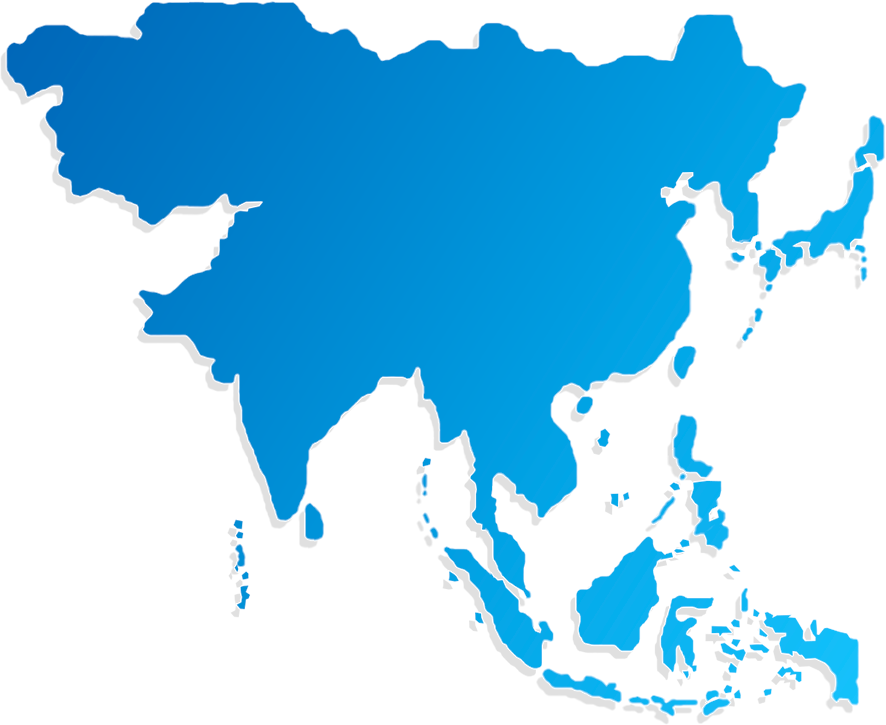
Pan-Asian countries and regions

Thumb

Grouping Rules

The Age Groups:

The Expert Group : over 40 years old
The Youth Group : age 40 and under(can voluntarily submit to the expert group)


The Surgical Groups:

1. Lung resection group: endoscopic lobectomy, combined lobectomy, and total pneumonectomy (including surgeries after neoadjuvant treatment)
2. Sub-lobectomy group: endoscopic anatomical partial lobectomy, segmental pneumonectomy
3. Complex lung and mediastinal group: tracheal segment, carina formation, tracheal sleeve method, tracheal and vascular double sleeve method, mediastinal mass resection
4. Esophageal group: esophagectomy/gastroesophageal anastomosis (including after neoadjuvant treatment)
5. Robot surgery group: lung, esophagus, mediastinum surgery (by region, regardless of disease type)
Notes: Operations should strictly meet the surgical indications, and the surgeons should have corresponding surgical qualifications. Technical operations must comply with surgical and medical norms and requirements.


Review Process for The Overseas Review Region:

The panel of reviewers for the overseas review region consists of members of The ASTS Academic Committee.
Each participating physician's video will be reviewed by 10 reviewers. The evaluation Criteria used in review regions in China can be chosen as a reference.
The best participants will be selected for exhibition at the final conference and awarded certificates of excellence and souvenirs of the conference.
Thoracic surgeons from Taiwan, Hong Kong and Macao, China will apply to the review methods of the overseas region.


Detailed Description

Evaluation CriteriaFull Marks
A brief case history and imaging data are available5
Reasonable choice of the surgical procedure10
Clear surgical logic, clear anatomy20
Skilled and standardised manipulation20
Clear view of the surgical field10
Difficulty of the surgery15
The use of devices is regulated and rational10
The video is well edited, contains the necessary steps, and isof the required length10

Surgery video contents:
1. The surgeries must be video-assisted thoracoscopic or robot surgeries, which should be true, scientific and showing advancement to a certain extent. The surgical indications and operation processes should conform to the medical surgical standards, operation guidelines or expert consensus.

Rules for the participating groups:
2. Each contestant can apply for multiple surgical groups, but only one surgery video can be uploaded for each surgical group.

Introduction of surgery videos:
3. The surgery video should include a brief introduction to the case information, including clinical diagnosis and imaging data, but it is not allowed to show the name of the surgeon or its institution/hospital in any part of the video. At the same time, please briefly describe the surgical process without adding background sound effects or other soundtracks. In order to protect the personal privacy, please hide the patient's personal information.

Surgical procedure regulations:
4. Please use an edited video to demonstrate the main processes of the surgery. The video content should reflect the principles of surgery and oncology, including key information such as surgical approach, key steps including cross-sectional anatomy, amputation, resection, reconstruction, lymph node dissection, etc, resection samples, postoperative incisions, postoperative pathology, and so on. The selection of the surgical instruments should base on the surgical needs and the surgeon's habits.

Length of the video:
5. The length should be within 10 minutes for the esophageal group, and within 8 minutes for the other groups. All of the videos have to be original speed edited surgery recordings. (MP4 and mov format videos with a resolution of 1280*720 or higher are required. To ensure smooth upload and download, it is recommended to upload MP4 format videos with a 1920*1080 full HD resolution and a storage size of less than 1GB.)

Check Notices:
6. In addition to the edited version of the surgery video, the winner also needs to provide the corresponding original unedited video for review by the expert review team.

Standardization and Innovation:
Asia Live Surgery Conference on Thoracic Oncology